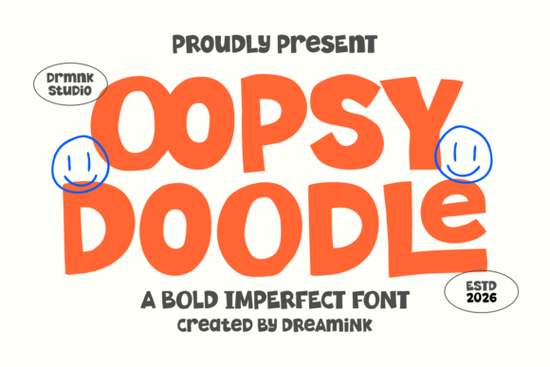
If you are a designer, crafter, or print-on-demand seller looking to add a burst of spontaneous energy to your next project, the Oopsy Doodle Font is a fantastic choice. This bold, imperfect display font embraces a handmade, cut-out aesthetic that feels both playful and highly intentional. Instead of rigid perfection, it offers chunky letterforms with uneven baselines and charmingly irregular strokes. It brings a sense of artisanal freedom to your visual identity, ensuring every single word feels like a vibrant, curated piece of art.
What makes this typeface stand out for handmade projects?
The magic of this typeface lies in its deliberate imperfections. When you are designing for crafters or small businesses, customers often look for that authentic, handmade touch. The irregular strokes mimic the look of hand-cut paper, thick marker drawings, or painted signs. It gives your text a vibrant, doodle-like feel without looking sloppy or unreadable. This makes it an excellent option for print-on-demand sellers who want their t-shirts, mugs, or tote bags to feel like unique, one-of-a-kind items rather than sterile, mass-produced goods. The high-impact letterforms grab attention immediately, which is exactly what you need when scrolling through a busy social media feed.
Where should I use this quirky typography?
Because of its heavy visual weight, this font works best for short, punchy phrases. You can use it for youth-oriented branding, quirky product packaging, or high-energy social media headers. If you are designing modern streetwear graphics, the chunky style adds a great urban, DIY edge that resonates with younger audiences. It is also wonderful for children's book covers, playful event flyers, or casual restaurant menus where the brand voice is fun and approachable. Just remember that the uneven baselines mean the text has a lot of personality, so it should be the star of the show.
How does it fit with other bold display styles?
While this font brings a unique, messy-chic vibe, you might sometimes need a different flavor for your design toolkit. If you are working on a project that requires a retro-inspired pink aesthetic, you might want to explore other options in your library. Similarly, if your design needs action-packed comic styles or clean, layered typography, there are plenty of alternatives that might fit the brief better. For rustic country themes or cheerful weekend vibes, you can easily swap in those specific typefaces depending on the exact mood and message of your brand.
What are the best practices for pairing it?
Since the letterforms are so expressive, you should pair them with something quiet and readable. A simple, clean sans-serif or a basic, neutral serif works beautifully for the body text. Let the main headline do all the talking. Also, keep your text short. This style loses its impact and becomes difficult to read if you try to write long paragraphs with it. Stick to headlines, logos, and short slogans. When adjusting the color, bright, contrasting colors often work best to highlight the cut-out feel, but a simple solid black or white can also make the chunky shapes pop against a textured background.
Quick Design Checklist for Handmade Fonts
- Keep it short: Use for headlines, logos, and short slogans only.
- Pair simply: Combine with a basic, highly legible sans-serif for body text.
- Mind the spacing: Adjust the tracking if the chunky letters feel too cramped or overlap awkwardly.
- Test on mockups: Always check how the uneven baselines look on your final physical product before printing.
- Use contrasting colors: Ensure the text stands out clearly against your background.
Start by dropping the font into your favorite design software and typing out a few short, energetic phrases to see how the irregular strokes interact with your overall layout.
Explore Design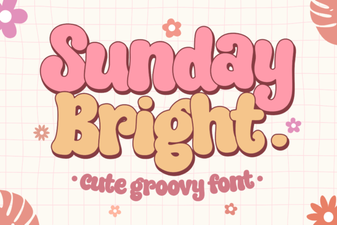 Sunday Bright: a Playful Font for Creative Designs
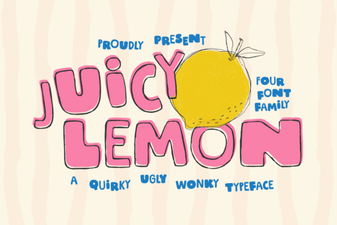 A Creative Guide for the Juicy Lemon Font
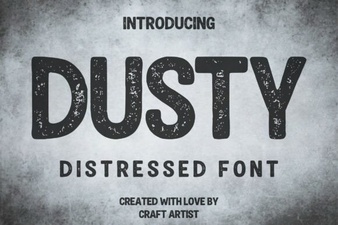 Dusty Fonts: Creative Ideas for Vintage Designs
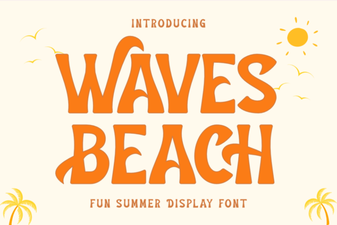 Waves Font: Coastal Design for Your Projects
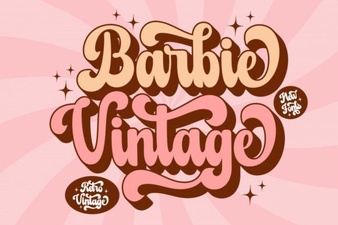 A Vintage Barbie Font Collection & Design Guide
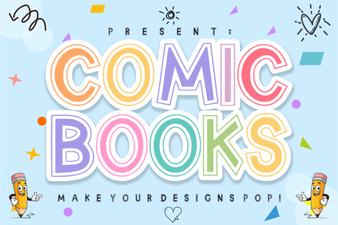 Comic Book Fonts for Creative Design Projects