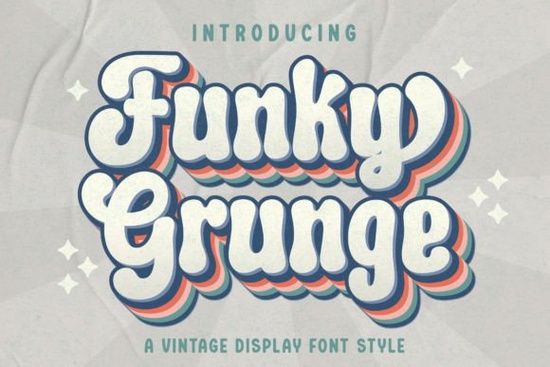
If you are looking for a typeface that brings a raw, authentic feel to your projects, the Funky Grunge Font is a fantastic choice. This vintage-style display font adds a distinct retro touch to everything from coffee shop menus to band posters. Crafters and small business owners often struggle to find typography that feels genuinely worn and lived-in without looking messy. This specific typeface solves that problem by balancing rough textures with clear readability.
What makes a grunge typeface work for branding?
When you are building a brand, typography needs to communicate your vibe instantly. A heavily textured font tells customers you are bold, authentic, and maybe a little rebellious. It works exceptionally well for breweries, skate shops, and vintage clothing lines. However, the key is readability. If the texture is too heavy, people cannot read your business name. This particular design keeps the distressed edges subtle enough that your text remains sharp and legible, even on smaller items like business cards or social media graphics.
How do I use textured typography in craft projects?
Print-on-demand sellers and crafters use distressed lettering to make physical products stand out. Think about t-shirt designs, canvas tote bags, or custom mugs. The rough edges of the letters give the printed item an authentic, hand-crafted feel right off the press.
While this style is perfect for edgy or rustic projects, you might need different vibes for other events. For instance, if you are designing a fun, child-friendly birthday invitation, a bouncy and playful oopsy doodle display style might be a better fit. Similarly, if you are putting together a summer vacation flyer, you could lean into a relaxed waves beach typography to capture that coastal feeling. And if you need something slightly more nostalgic but still clean, a Barbie vintage display style offers a lovely retro alternative.
Can I mix this style with other retro fonts?
Yes, mixing typefaces is a great way to add depth to your layouts. The trick is to pair a loud, textured display face with a simpler, cleaner secondary font.
If you want to create a vibrant, energetic poster, try combining your main grunge text with a bright, rounded juicy lemon display for your subheadings. The smooth curves of the secondary font will balance out the rough edges of your main title. On the other hand, if you are going for a highly authentic, aged look, pairing it with a subtle dusty display face creates a beautifully cohesive, weathered aesthetic across your entire design.
What file formats do I need for commercial use?
When you download your files, you will typically get both OTF and TTF formats. The OTF (OpenType) file is generally best for design software like Adobe Illustrator or Photoshop because it supports advanced typographic features. The TTF (TrueType) file is highly compatible and works perfectly for everyday programs like Microsoft Word, Canva, or Silhouette Studio.
Always check the specific license included with your download. Most display fonts on Creative Fabrica come with a commercial license, allowing you to use them for physical products you sell, digital templates, and client work. Just remember that reselling the font file itself is never allowed.
Quick checklist for your next distressed design
- Check readability: Zoom out to 50% to ensure the texture doesn't make the letters blend together.
- Test on materials: Print a small sample on the actual paper or fabric you plan to use, as textures can look different on screen versus in print.
- Keep it simple: Use the textured font only for headlines or short phrases, and pair it with a clean sans-serif for body text.
- Verify your license: Confirm your commercial rights before uploading your finished designs to any print-on-demand platform.
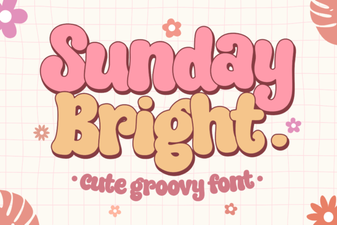 Sunday Bright: a Playful Font for Creative Designs
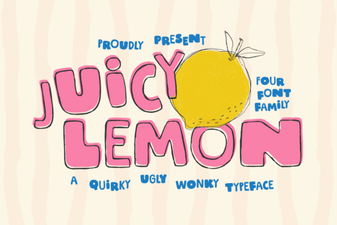 A Creative Guide for the Juicy Lemon Font
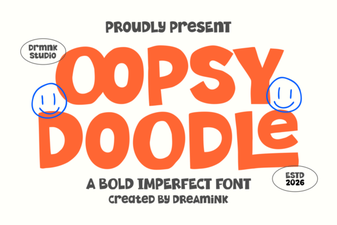 Creative Designs with Oopsy Doodle Font
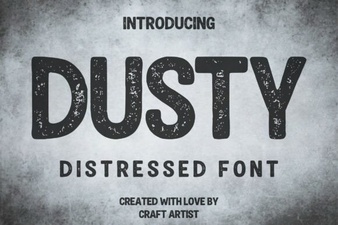 Dusty Fonts: Creative Ideas for Vintage Designs
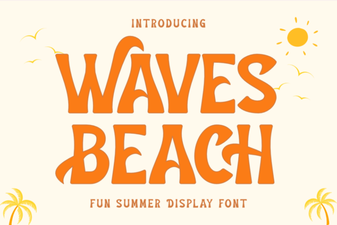 Waves Font: Coastal Design for Your Projects
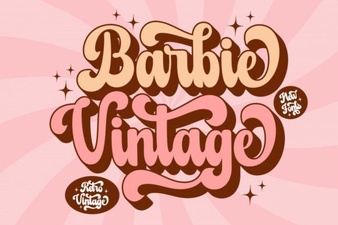 A Vintage Barbie Font Collection & Design Guide